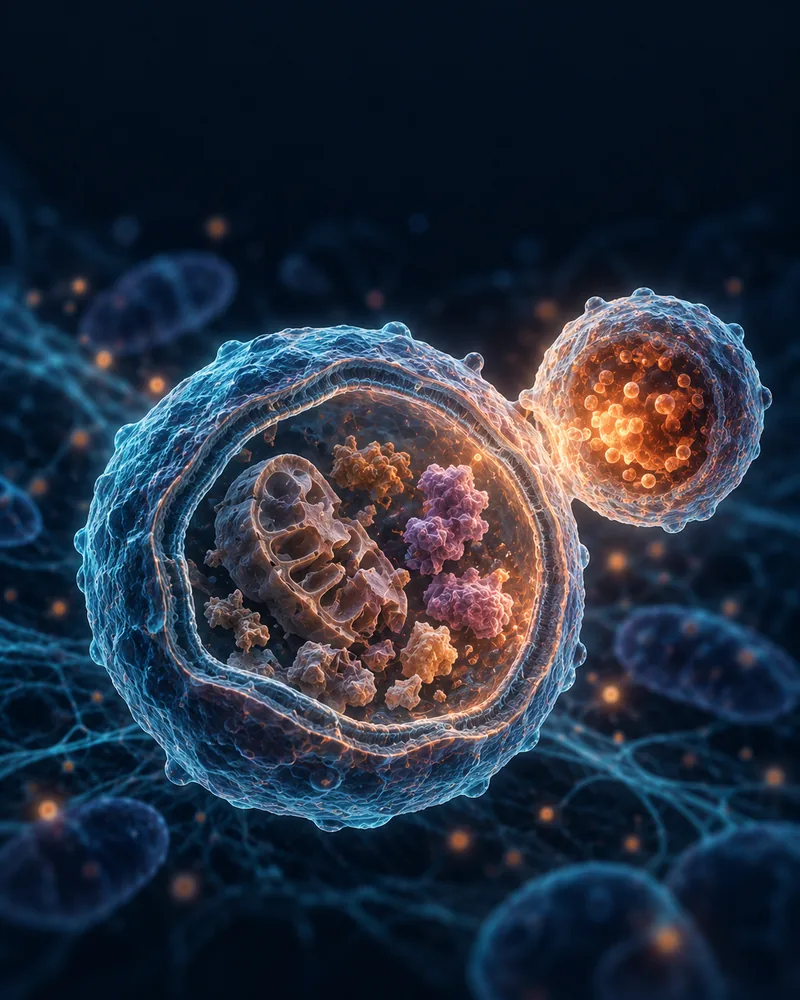
Macroautophagy is the cell's bulk self-recycling, and that is the whole idea. Rather than fix or export every damaged part, the cell digests its own worn-out components and reuses the raw materials, which is why the name literally means self-eating. This bulk route is built to handle big, awkward cargo that the cell's other disposal system cannot manage: whole worn-out organelles (the cell's internal machines), large protein clumps, fat droplets, and even invading microbes. When it runs well, the cell continually renews itself from salvaged parts; when it falls behind, that damaged material accumulates.
An autophagosome is the disposable bag the cell builds around the trash. The cell grows a curved double membrane that wraps around the cargo and seals it into a bubble called an autophagosome, sequestering the junk away from the rest of the cell. That bubble then travels to and fuses with a lysosome (the cell's acidic recycling compartment, full of digesting enzymes), and the lysosome breaks the cargo down into reusable building blocks such as amino acids and fats. This engulf-then-digest cycle is the core machinery of the hallmark, and a slowdown anywhere along it lets damage linger.
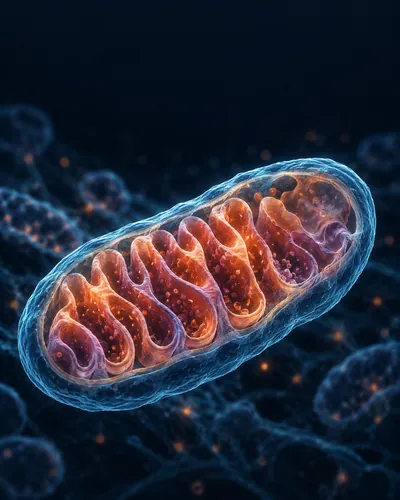
Mitophagy is the specialized version that clears damaged mitochondria, and it is the bridge to mitochondrial decline. Mitochondria are the cell's power plants, and a damaged one is dangerous because it leaks reactive byproducts and can spill its own DNA, which the cell reads as a danger signal that triggers inflammation. Mitophagy is the targeted autophagy that recognizes a failing mitochondrion, bags it, and recycles it before it can do that harm. When mitophagy declines with age, broken mitochondria pile up, tying disabled recycling directly to mitochondrial dysfunction and to chronic inflammation.
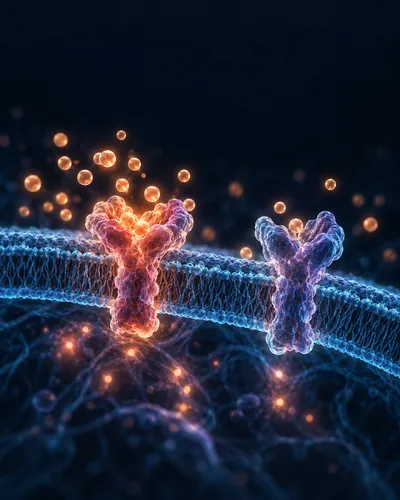
Nutrient sensing is the master on/off switch, and this is the bridge to nutrient sensing. Two opposing sensors decide whether the cell grows or recycles. mTOR is a growth switch that, when fuel is plentiful, stays on and actively suppresses autophagy, telling the cell to build rather than clean. AMPK is the opposite, a low-fuel alarm that switches on when energy runs short and turns the recycling program up. Fasting and exercise both lower mTOR and raise AMPK, which is the real mechanism behind autophagy being flipped on by going without food or by hard physical effort. In a world of constant food abundance, mTOR tends to stay on and recycling stays suppressed.
Why flux declines with age is partly machinery wear and partly stuck signaling. The proteins that build the disposal bags and the lysosomes that do the digesting both become less efficient over a lifetime, and the master controller that tells the cell to make more recycling machinery loses sensitivity. At the same time, the nutrient-sensing balance tends to sit in the growth position rather than the repair position. The net effect is that aged cells run their cleanup crew more slowly even when they need it most, so damaged parts that a young cell would have cleared accumulate instead.
Important boundary to keep straight: autophagy decline is MACROautophagy only. There is a separate, more selective recycling route called chaperone-mediated autophagy, in which a helper protein grabs one worn-out protein at a time and feeds it through a dedicated gate in the lysosome wall. Because that route picks off individual proteins rather than bagging up bulk cargo, it belongs to the protein-quality-control hallmark, protein misfolding, not here. This hallmark, autophagy decline, is exclusively about the large-scale bulk cleanup: the engulf-the-cargo, build-the-bag, fuse-with-the-lysosome process. Keeping that line clear matters because the two are easy to blur and the field deliberately splits them into different hallmarks.