About me
Built at the intersection of patient experience, clinical reality, and aging biology.
I came to longevity science from multiple directions at once: supplement industry insider, computational biology and epigenetics research, emergency medicine, and my own life as an optimized biohacker who still ended up with an 80% coronary blockage at 44 despite thinking I was doing everything right.
That experience changed how I read everything: studies, biomarkers, influencer protocols, supplement labels, and “health optimization” advice.
Calibrated Signal exists for people who want the biology without the sales pitch.
The goal isn’t to tell you what to take.
The goal is to make you harder to fool.


The Calibrated Lens
- Not just a clinician’s opinion.
- Not just a researcher’s analysis.
- Not just a former supplement-industry insider’s skepticism.
- Not just a self-experimenter’s n-of-1 story.
Calibrated Signal sits at the intersection of all four, using the biology of aging to separate plausible mechanisms from evidence you can actually trust.
Wake-Up Call
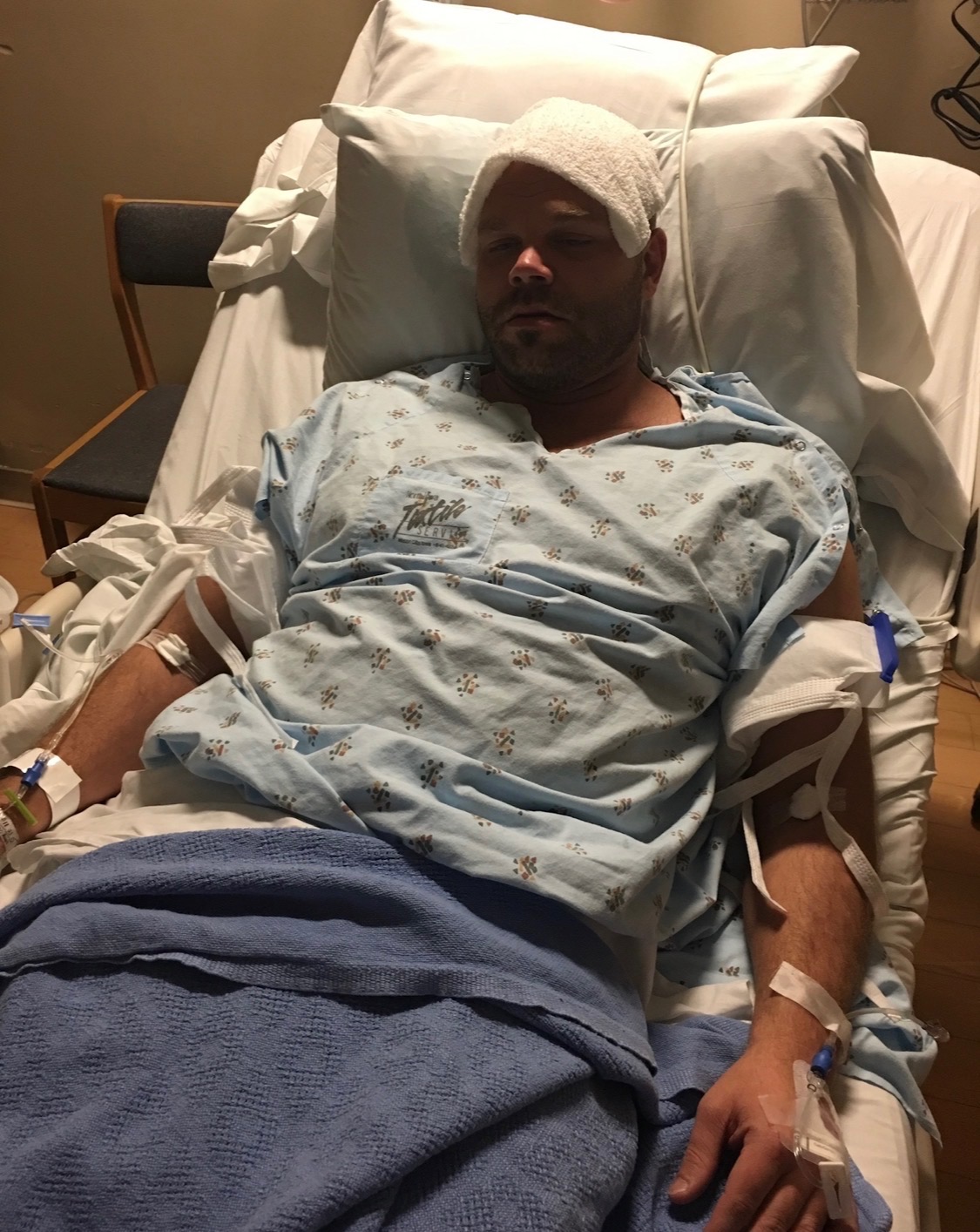
I was the kind of person longevity influencers point to as “optimized.”
Low-carb diet. Daily exercise. Sauna. Cold exposure. CGM data. A deep supplement stack. Normal standard labs. Rock-bottom hsCRP. No insulin resistance.
By the usual wellness metrics, I looked protected.
Then came vague chest discomfort. The first workup was clean. Old mid-back injuries and possible anxiety were what the doctors thought. But something didn’t feel right, and I pushed for the CT coronary angiogram that finally showed the problem:
An 80% blockage in my right coronary artery at 44.
The denial came first. Then the classic “why me?” Then the clarity: I needed to begin analyzing every aspect of my health routine the same way I approached research in the lab. The whole optimization playbook needed to get deconstructed and run through an evidence pipeline.
Mechanism is not proof. A normal biomarker — or even a zero calcium score — is not always a clean artery. And even a high-functioning medical system can miss obstructive coronary disease in someone with extreme health literacy, persistence, and access.
If it could miss me, it can miss a lot of people.
Supplement Industry
I spent fifteen years inside the supplement and wellness industry, from my teens into my early 30s — starting my first job as a fitness trainer at 18 and launching my first supplement company the same year.
I founded and helped run several companies over the years. I became a CEO for a functional beverage company that appeared on ABC’s Shark Tank and won Forbes business awards. I helped build formulas, manage manufacturing relationships, write marketing language, and translate mechanisms into claims people could understand.
That experience taught me how the industry actually works.
I’ve been in the boardrooms where claims are shaped. I’ve watched plausible biology become persuasive sales copy. I’ve seen how a promising mechanism can be made to sound stronger than the evidence behind it, and how industry-funded studies can quietly become part of the sales funnel for the very products being studied.
Some companies try to do this honestly. Many do not. The difference is not always obvious from the label, the landing page, or the podcast interview.
So I made a structural decision:
- I do not sell supplements.
- I do not take supplement affiliate revenue.
- I do not operate a private-label line.
- I do not take sponsored content from supplement companies, at any tier, on any platform.
- I do not have strategic investments in any supplement companies.
That does not make me unbiased. No one is. But it removes the most obvious conflict in longevity media: getting paid more when you believe more — which makes my incentives easier for you to inspect.
Bioinformatics Scientist
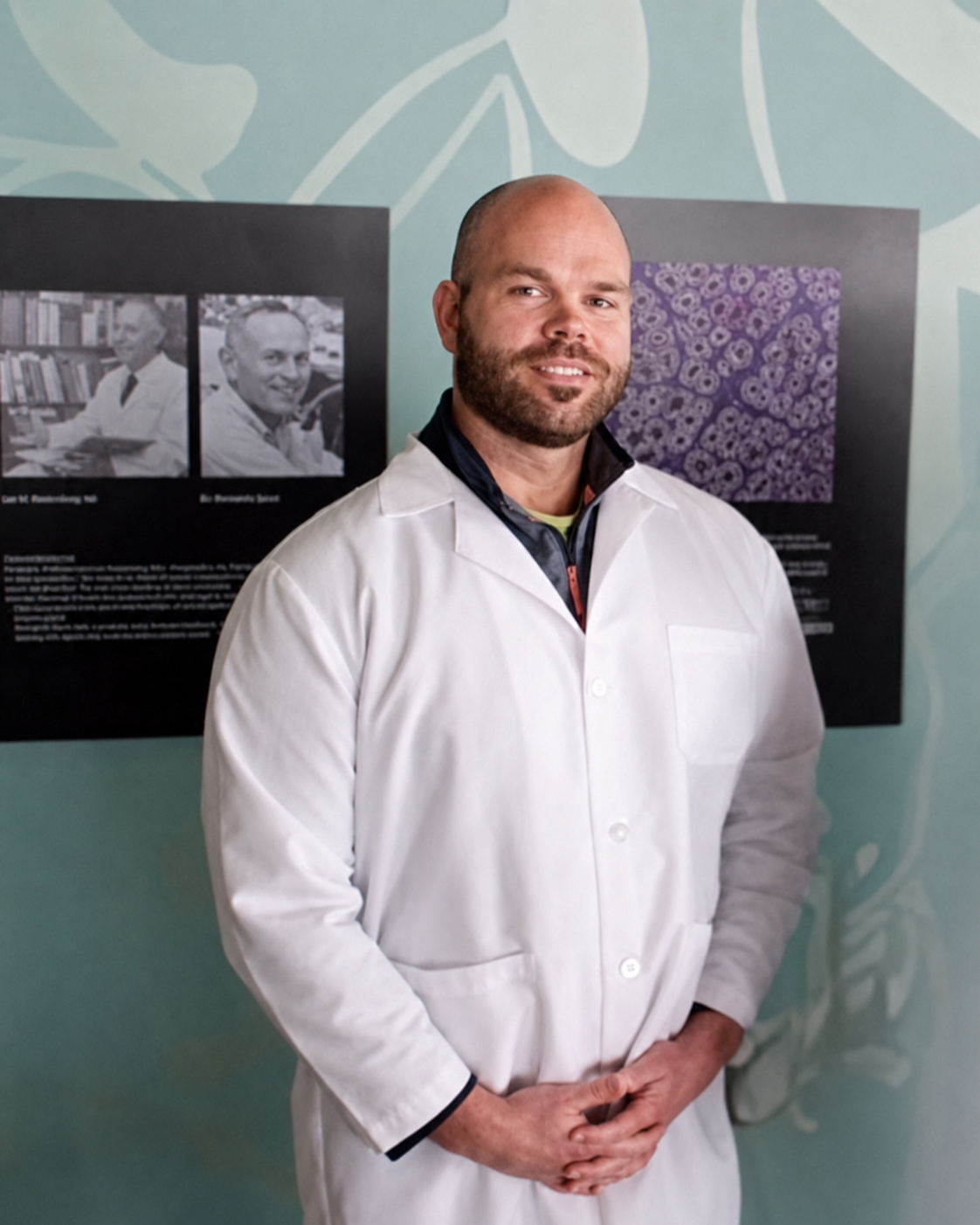
My formal research training is in bioinformatics, computational biology, molecular biology, and cancer epigenetics.
I have an MS in Bioinformatics & Computational Biology through the University of Minnesota / Mayo Clinic joint program, and am a PhD candidate in the same program. My published research background comes from epigenetics and translational oncology work at the University of Minnesota Hormel Institute, including a cancer epigenetics paper in Neoplasia.
That background matters because aging biology and cancer biology share a lot of terrain: epigenetic drift, mitochondrial dysfunction, chronic inflammation, altered metabolism, impaired repair, telomere biology, and damaged cells escaping normal restraint.
The DNA methylation clocks used in aging research are built on the same biological substrate I trained on in cancer epigenetics: methylation patterns across the genome.
So I don’t read longevity claims as isolated headlines. I read them as pathway claims, measurement claims, biomarker claims, and evidence-quality claims. I analyze the methods section of the paper first.
Before I form an opinion about an intervention, I want to know: What is the mechanism? Was it shown in humans? What dose? What form? What moved? What didn’t? Who funded the study? And does the result actually map onto the biology of aging?
A plausible mechanism is the beginning of the question.
Not the answer.
Clinician
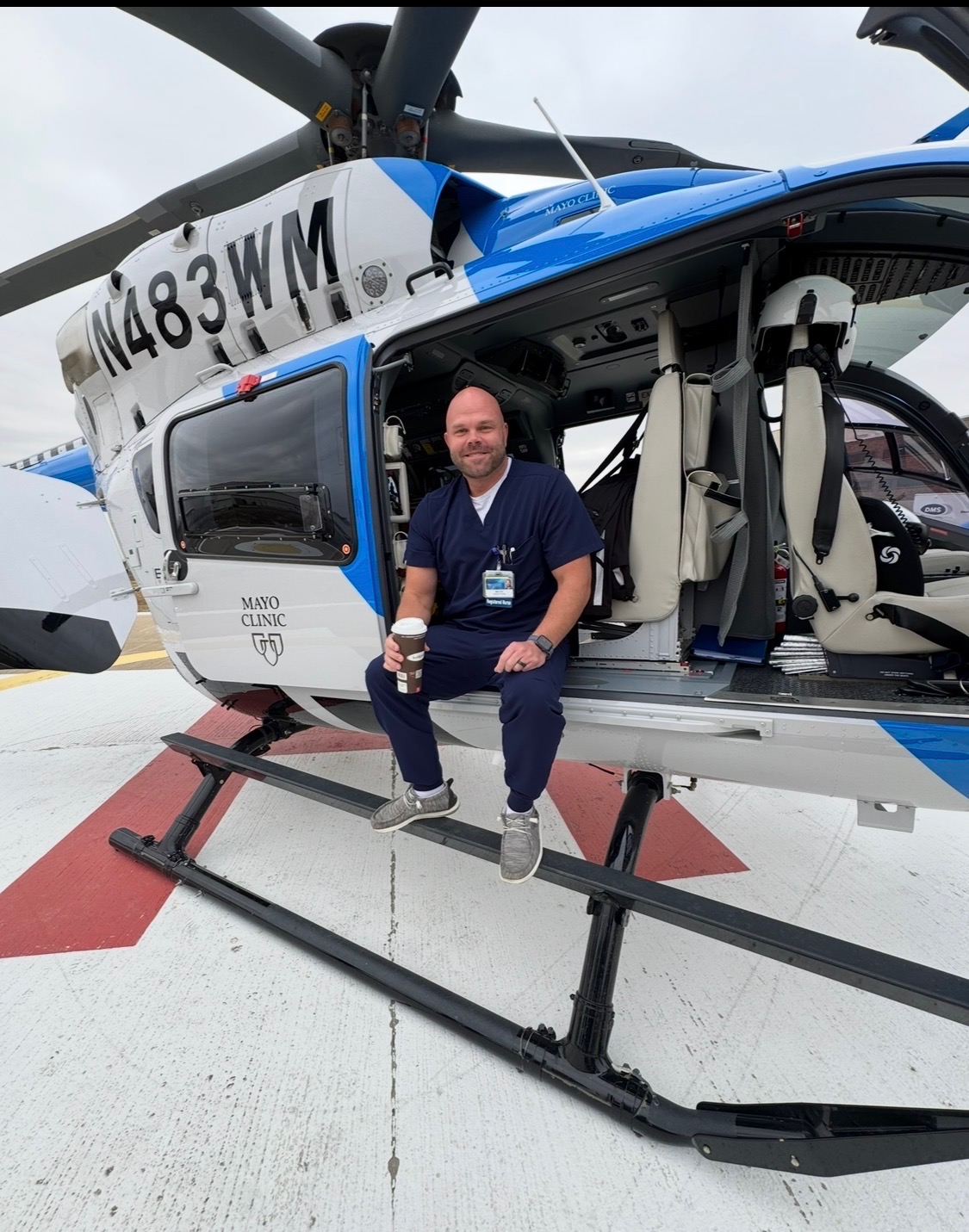
I’m a Mayo Clinic Emergency Department RN and Certified Emergency Nurse, currently completing my APRN-FNP at Duke with a cardiology focus.
Three-plus years at the bedside in a high-acuity emergency department teaches you things a textbook does not.
The difference between a lab value and the person trying to understand what it means.
The difference between statistical significance and clinical significance.
The difference between what the data shows and what the patient actually heard.
In medicine, the doctor’s explanation is often technically correct but emotionally unusable. They explain the diagnosis, often filled with jargon, ask if there are questions, and get a polite no from a patient who is still trying to process what just happened.
Then the nurse stays behind.
That is where the translation happens. Plain language. Real context. Fewer assumptions. More attention to what the patient actually needs to understand before they can make a decision.
That posture shapes Calibrated Signal.
The goal is not to make complex biology sound simple when it isn’t. The goal is to make it understandable without making it shallow.
Calibrated Signal is the nurse who stayed behind.
You should leave understanding the actual claim, not feeling like you should have understood it.
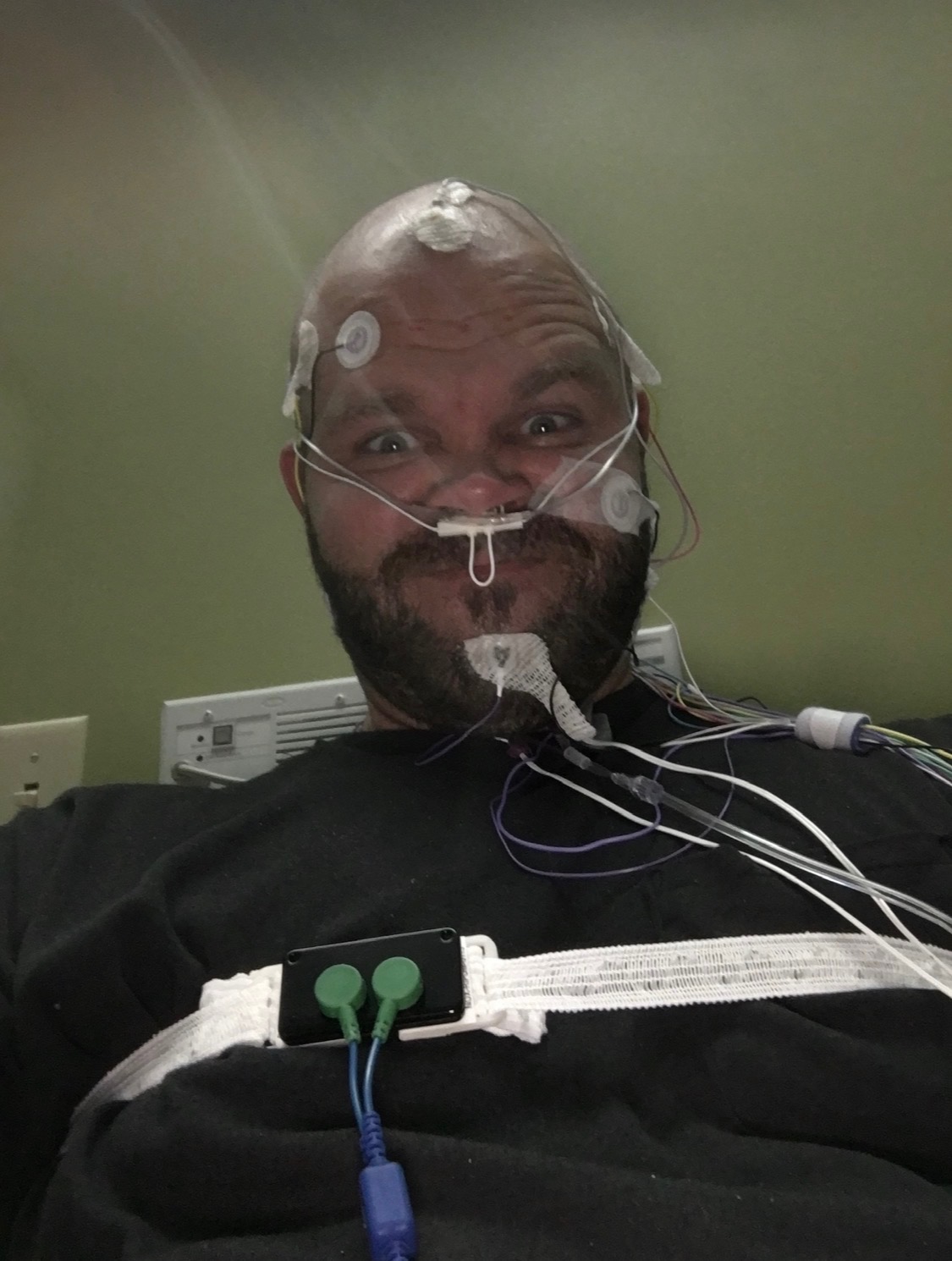
Self-Experimenter — the N-of-1
I started experimenting on myself in my late thirties, when the reality of aging first started creeping in.
Sleep studies. Continuous glucose monitors. Wearables. EEG arrays. Supplement protocols. Fasting windows. Sauna. Cold exposure. Breathing work. The whole quantified-self apparatus.
I was already deep down this road when I discovered my blockage. I most definitely wasn’t doing it all right.
When I write about an intervention, I usually know what it feels like to actually do it. I know which protocols are interesting on paper but unsustainable in real life. I know which measurements change behavior, which ones create noise, and which devices produce expensive theater.
“Biohacker” is not a label I love. But the practice underneath it is real: disciplined self-experimentation, careful measurement, n-of-1 trials, and a willingness to pay attention to your own biology.
Used well, that mindset can be useful.
Used poorly, it can become a story you tell yourself about control.
That is the lesson I learned the hard way. Self-tracking can reveal patterns, but it can also miss the thing that matters most. Optimization is not the same as protection.
I still believe in measurement. I just no longer mistake measurement for certainty.
Why I'm Doing This
Most of what wellness culture sells you isn’t built to keep you alive longer. It’s built to keep you buying. Some of it is legit, but separating signal from noise is hard work.
I learned that the hard way. I had done the protocols, tracked the biomarkers, read the books, bought the devices, and built the supplement stack. Still, the most important risk signal in my body was hiding in plain sight.
The problem was not lack of discipline.
The problem was that discipline, pointed in the wrong direction, can still miss the disease that matters.
Calibrated Signal exists to close that gap.
- To separate plausible mechanisms from proven outcomes.
- To explain what biomarkers can and cannot tell you.
- To ask who benefits when a protocol becomes popular.
- To make the science readable without turning it into sales copy.
- To help you have an intellectually informed conversation with your healthcare team.
Not everyone has the vocabulary, training, time, or confidence to push back when something does not make sense or just doesn’t feel right.
This site exists to give more people that leverage.
Because everyone deserves the same information I had when I argued for the test that saved my life.
I’m not just a clinician. Not just a scientist. Not just a self-experimenting biohacker. And not just a supplement industry insider.
I combine all lenses so you don’t have to.
Credentials Journey
1998 – 2017
- BS Economics
- Supplement / Health & Wellness Industry Founder
- CEO of international company that appeared on Shark Tank
2017 – 2022
- MS Bioinformatics & Computational Biology
- Published Epigenetics Researcher
- Senior Research Technician
2022 – current
- Board Certified Mayo ED RN
- PhD Candidate, Bioinformatics & Computational Biology · UMN / Mayo Clinic
- APRN-FNP Candidate · Duke University
One investigation a week. No sponsors.
Each one takes a health claim you have already heard and reads the human evidence, the biology of aging behind it, and who paid for the studies.
Educational only. No spam. Unsubscribe anytime.